
Marketing Is More Than Promotion. It Is an Invitation.
Marketing is often seen as a tool for promotion. During my time as a Marketing and Communications Fellow at the August Wilson African American Cultural Center, I learned it is also a way to invite people in. It invites the community to gather around Black art and culture and to feel welcome before entering the building.
The Center is more than a venue or gallery. It is a space where Black history and creativity are honored. As a fellow, my role focused on how people first encounter the Center. That first touchpoint might be a website visit, an email, or a digital sign inside the building. Each one shapes whether someone feels informed or encouraged to attend.
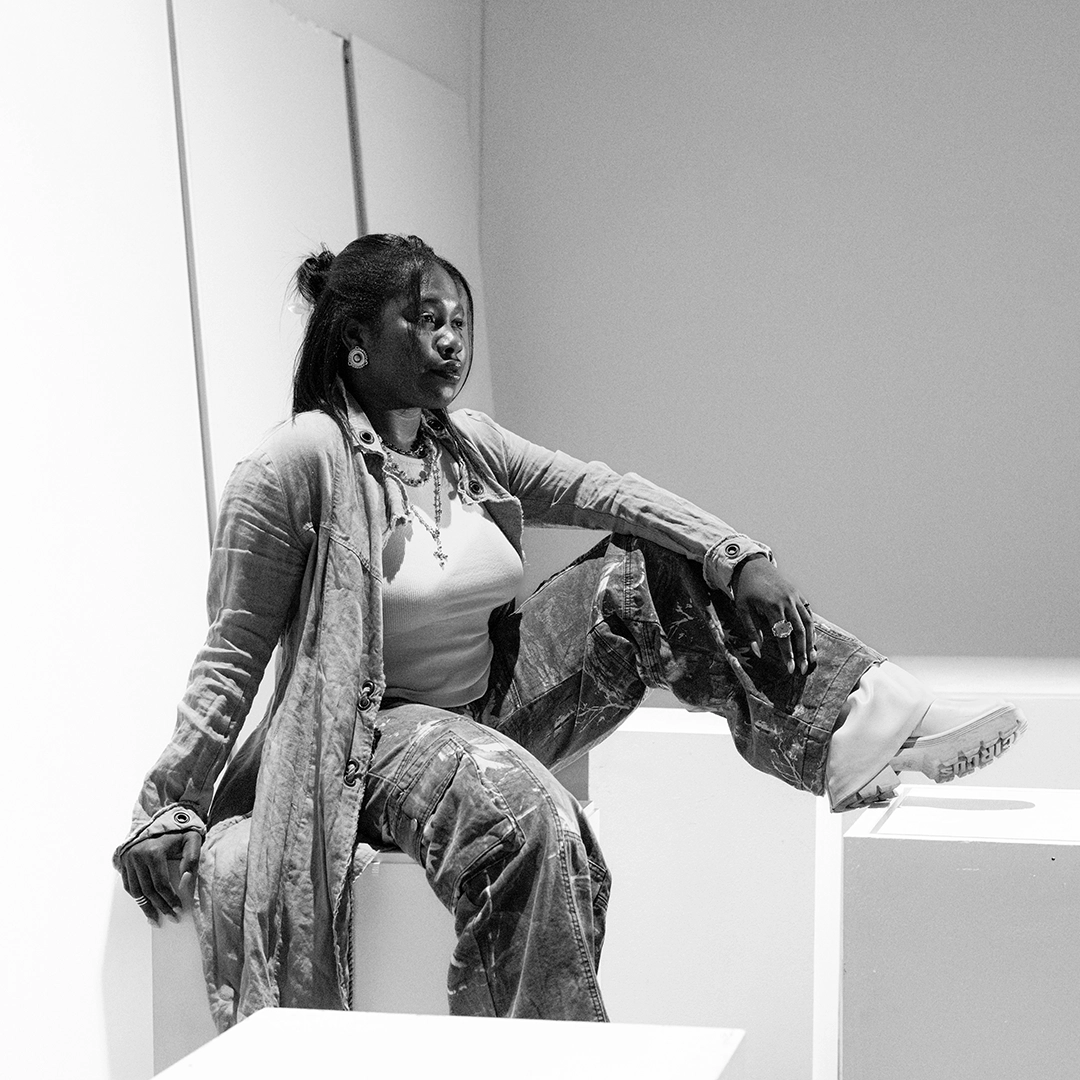 Throughout the fellowship, I supported marketing and communications for over 100 programs and events. This work included maintaining the Center’s website, updating digital signage, assisting with email campaigns, and supporting social media efforts. My goal was to make information easy to understand and simple to access. Visitors should be able to find what they need without confusion. In this way, marketing became a connection between the work happening inside the Center and the people it serves.
One project that shaped my experience was the Flashlight Tour, an after-hours gallery event created to offer a new way to engage with visual art. I executed the tour from planning through promotion, and the event reached full capacity. It brought in visitors who may not have attended a traditional exhibition. The project showed how clear communication can change how people experience cultural spaces. I developed social media content, designed promotional graphics, and wrote copy for the website and emails. Each piece of communication worked together to support the event and guide visitors through the experience.
I also worked closely with the programming and visual arts teams. This collaboration showed the value of including marketing early in the planning process. When communication is part of the work from the beginning, stories are easier to share, and outreach is more effective. Marketing becomes part of how a program takes shape rather than something added at the end. This approach supports both artists and audiences.
As someone early in my career, having the chance to learn in this environment was important to my growth. I moved from Des Moines, Iowa, for this fellowship because it allowed me to explore where my interests in art and marketing meet. Working within a cultural institution helped me understand how my skills fit into the field. I am leaving the program with a clearer sense of direction and purpose.
For donors and supporters, the fellowship program supports the long-term strength of the Center. It creates space for emerging professionals to contribute meaningful work while learning how institutions function. For visitors, it means clearer information, consistent communication, and an easier entry point into the Center’s programming.
This fellowship reinforced my belief that marketing in cultural spaces is not about selling. It is about responsibility. It is about honoring artists, respecting audiences, and building trust with the community. If the August Wilson African American Cultural Center is a home for Black culture, marketing is one way we help keep that home open to everyone.